
INDUSTRIAL OPERATIONS

Electrify industrial heat without expanding the grid.

FeX stores electricity as high-temperature energy and delivers firm industrial heat where grid capacity, peak demand, or infrastructure limits electrification.

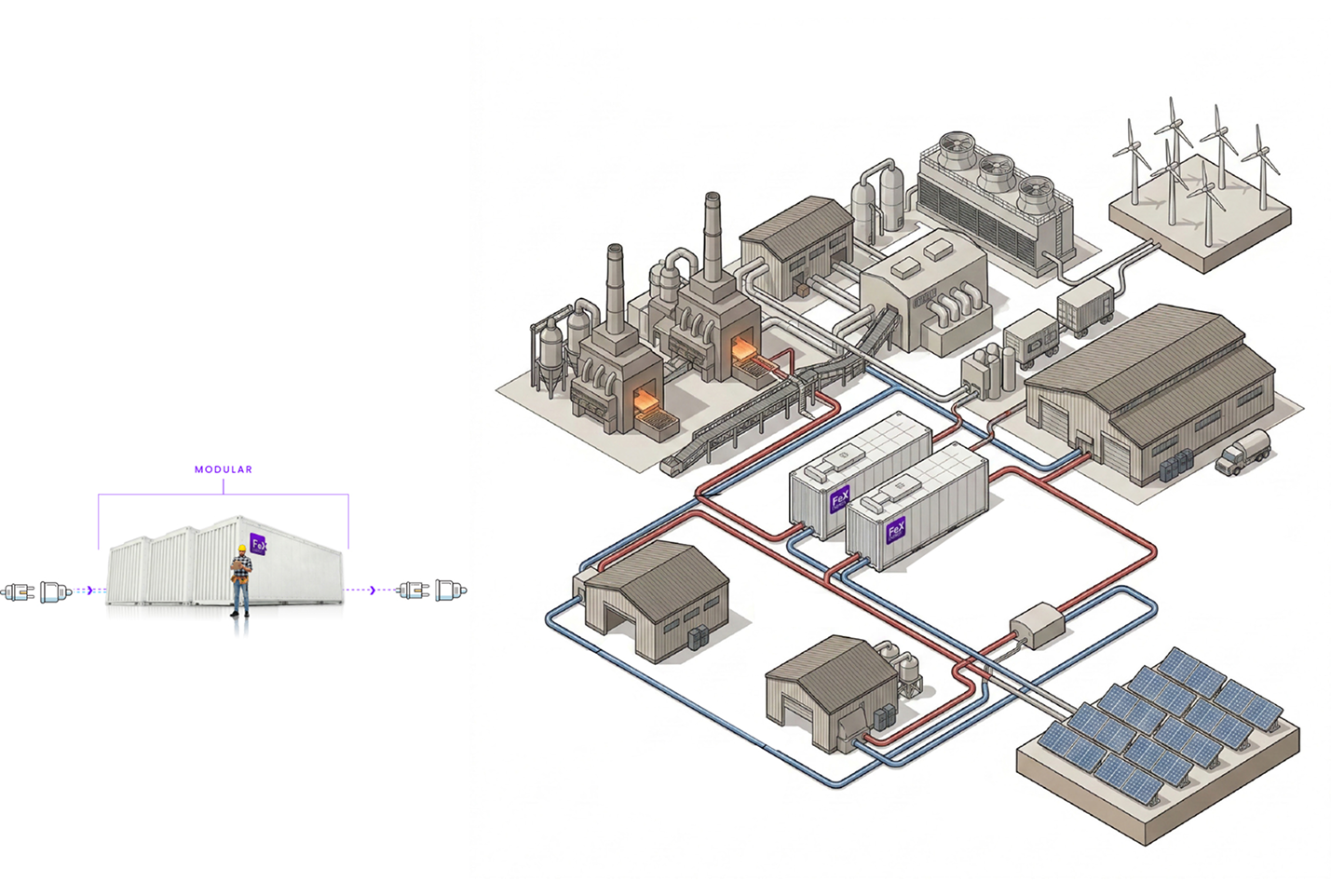
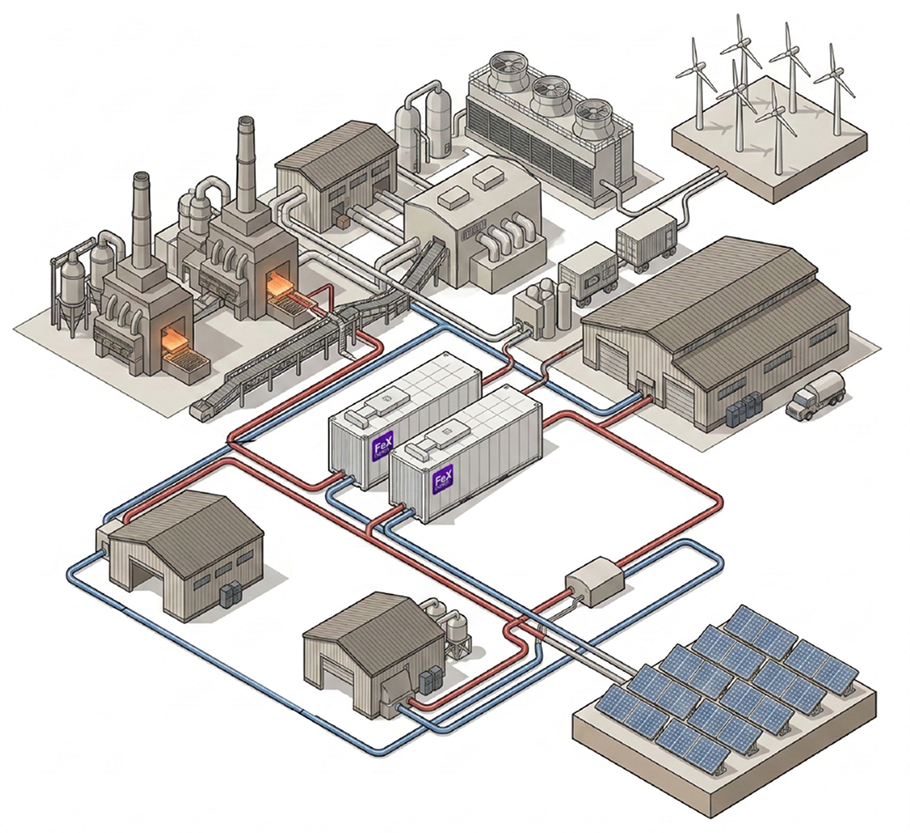
THE SYSTEM INTEGRATION

Modular system integrated into industrial heat systems.

FeX stores electricity as high-temperature thermochemical energy and delivers firm heat through existing industrial heat loops, steam systems, or process heating infrastructure.

Peak load management

Store electricity off-peak and deliver heat when operations demand it.

Continuous high-tenmpretaure heat

Stable industrial heat up to 900°C for furnaces, steam, and process systems.

Avoid costly 
grid upgrades

Electrify heat without costly transformer, transmission, or capacity expansion.

Improved operational resilience

Maintains stable heat supply during grid constraints.

Industrial Use Cases

Firm heat for the industrial systems that keep operations running.

Industrial operations need reliable high-temperature heat to keep production stable.

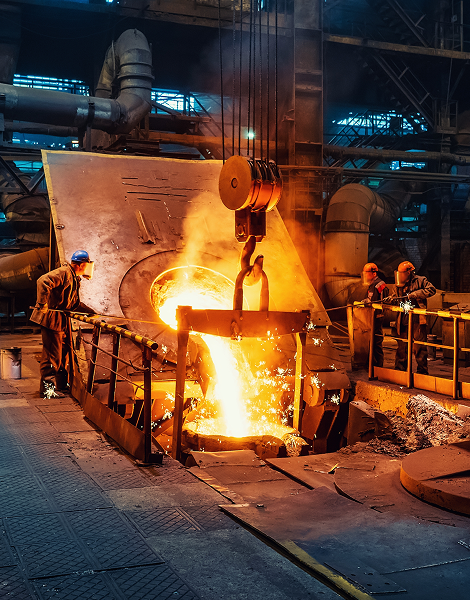
Process Heat & Furnace Operations

Reliable high-temperature heat for furnaces and industrial processes.

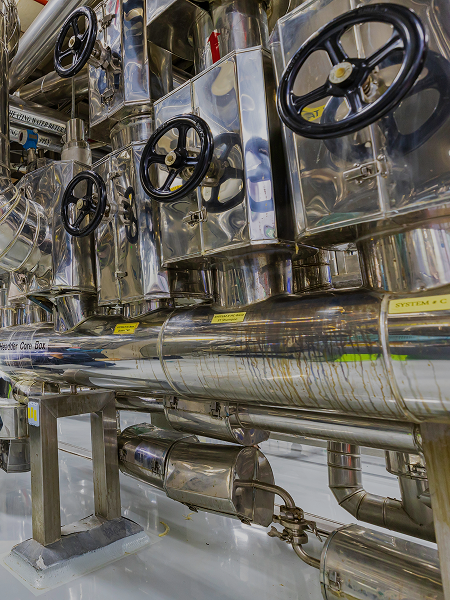
Industrial Steam Systems

Deliver stable heat to steam networks and process heating loops.

Peak Load & 
Thermal Storage

Store energy off-peak and deliver heat during high demand periods.

HOW IT WORKS ON SITE

Charge. Store. Deliver heat.

Containerized heat infrastructure that integrates directly into your existing energy systems.

Input

On-site renewables, grid electricity where available, or curtailed power.

Storage

Iron-based thermochemical cells. Energy stored for 
days or weeks.

Output

Up to 900°C heat 
via air, glycol, steam, or optional CHP.

Footprint

~1/10th the physical
footprint of lithium-ion batteries.

Delivered Results

900°C

Peak output temp

35+ MWh

Per container

1/10th

Footprint vs H₂

4–7yr

Industrial payback

~$0.04

LCOS at scale

EXAMPLE DEPLOYMENT

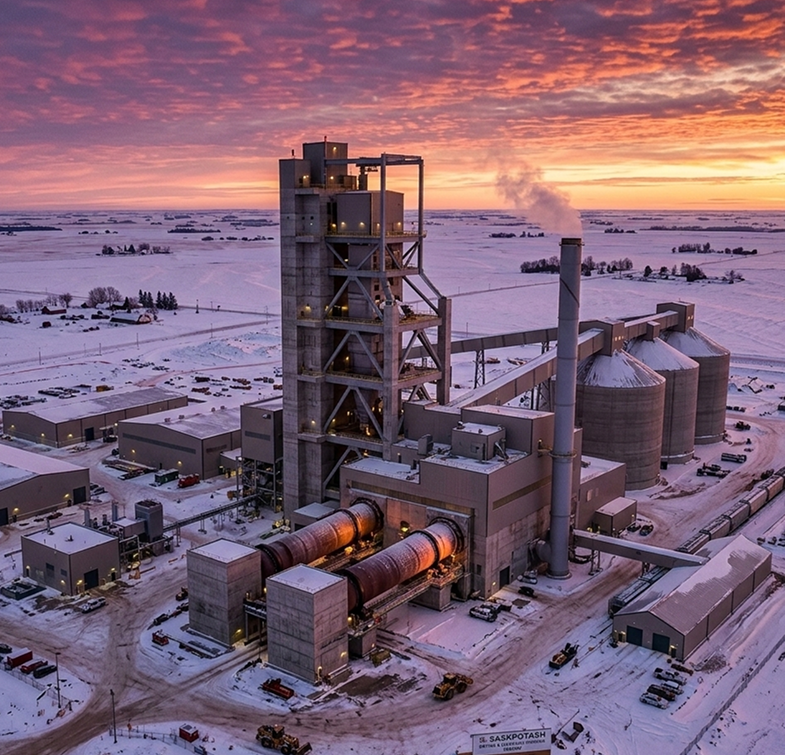
180 MW potash drying electrification

Potash processing requires continuous high-temperature heat for drying. FeX stores electricity off-peak and delivers stable heat directly into the drying process.

Payback

4–7 years

Cost

~$0.04/kWh

CO₂ Abated

~5.6 Mt /25 yrs

Footprint

~1/10th hydrogen alt.

Development Partnership Program

A structured path to first deployment.

Deploy on-site. Validate under real heat loads. Generate bankable performance data to support scale-up decisions

Pilot deployment currently underway with support from: Financed by Government of Canada

Evaluate Performance

Assess system performance under real operating conditions.

Gather Data

Collect operational insights to inform deployment decisions.

Planning & Scale-up

Use validated results to define your deployment strategy.

FAQ

Frequently Asked Questions

What temperatures can the FeX system deliver for industrial heat applications?

The FeX Iron Arc Reactor delivers sustained thermal output from 200°C (lower also possible) to 900°C, covering the temperature range required for industrial processes including drying, calcination, furnace heating, steam generation, and chemical processing. This range is not achievable with lithium-ion batteries and most conventional thermal storage alternatives, and is challenging with direct electrification since power capacity is often unavailable or too costly at certain peak-demand times.

How does FeX compare to hydrogen for industrial heat electrification?

Both can reach high temperatures, but hydrogen carries significant infrastructure, safety, and cost disadvantages at industrial scale, including storage complexity, pressure handling requirements, and high levelized costs. FeX stores energy in solid iron at ambient conditions, with no pressure vessels, no combustible gas handling, and a footprint approximately 1/10th that of hydrogen-equivalent alternatives. Levelized cost targets around $0.04–0.05/kWh compare favourably against green hydrogen for process heat.

Does FeX require a new grid connection or grid upgrade to deploy?

No. FeX operates behind the meter, charging from existing electricity sources during off-peak or low-cost periods and discharging as heat when operations demand it. This is specifically designed for industrial sites facing grid expansion delays, insufficient connection capacity, or peak demand charges, removing the grid constraint without requiring utility coordination.

Can FeX integrate with existing plant industrial heat infrastructure?

Yes. The modular system integrates directly into existing industrial heat loops, steam systems, and process heating infrastructure. It is designed to work alongside existing equipment rather than replace it wholesale, reducing integration risk and enabling phased deployment as a supplement to current energy supply before full displacement.

What is the storage medium and is it hazardous?

Energy is stored in solid iron, the Earth's most abundantly produced metal. Iron is non-toxic, non-flammable, chemically stable, and requires no special containment or pressure management. There are no liquid electrolytes, no combustible fuels, and no high-pressure gas storage on site.

How long can the FeX system store industrial heat?

Storage duration ranges from multi-hour, multi-day to multi-week depending on configuration and container count. This makes FeX suitable not just for peak shaving but for sustained process heat delivery across extended production cycles, including during grid outages, supply disruptions, or planned maintenance windows.

What is the system footprint for a typical industrial deployment?

A single 40-foot container delivers up to 9 MW of power output and holds 10x more energy than lithium-ion batteries, with a physical footprint approximately 1/10th that of a comparable lithium-ion installation. Multiple units can be deployed in parallel to meet larger thermal loads within constrained brownfield site boundaries.

What is the expected payback period for an industrial heat deployment?

Based on techno-economic analyses across multiple industrial verticals, payback periods typically range from four to seven years depending on site configuration, incumbent fuel costs, and available incentives. In high-cost fuel and  grid-constrained scenarios the economics improve materially.

If your operation is constrained by energy, we should talk.

FeX delivers reliable high-temperature heat where grid capacity is limited.